Ask our Technicians
We are here to help you! Our Technicians are available Monday through Friday, 9-5pm for all questions, estimates, and to provide you with helpful resources for your next gilding project. Please fill out the below form with any questions and we will be happy to reply via Email or Phone.
|
SeppLeaf technical guidance
SeppLeaf supports gilders, artists, conservators, sign makers, decorators, frame makers, and decorative finishers with product selection, gilding supplies, charts, datasheets, and project-specific technical help.
Use these guides with the related charts, SDS/TDS datasheets, and product pages. For substrate, exterior exposure, restoration, food or cosmetic use, compatibility, availability, or current manufacturer guidance, contact SeppLeaf technical support.
Start here for short answers, then use our technical PDFs or contact SeppLeaf for project-specific product selection.
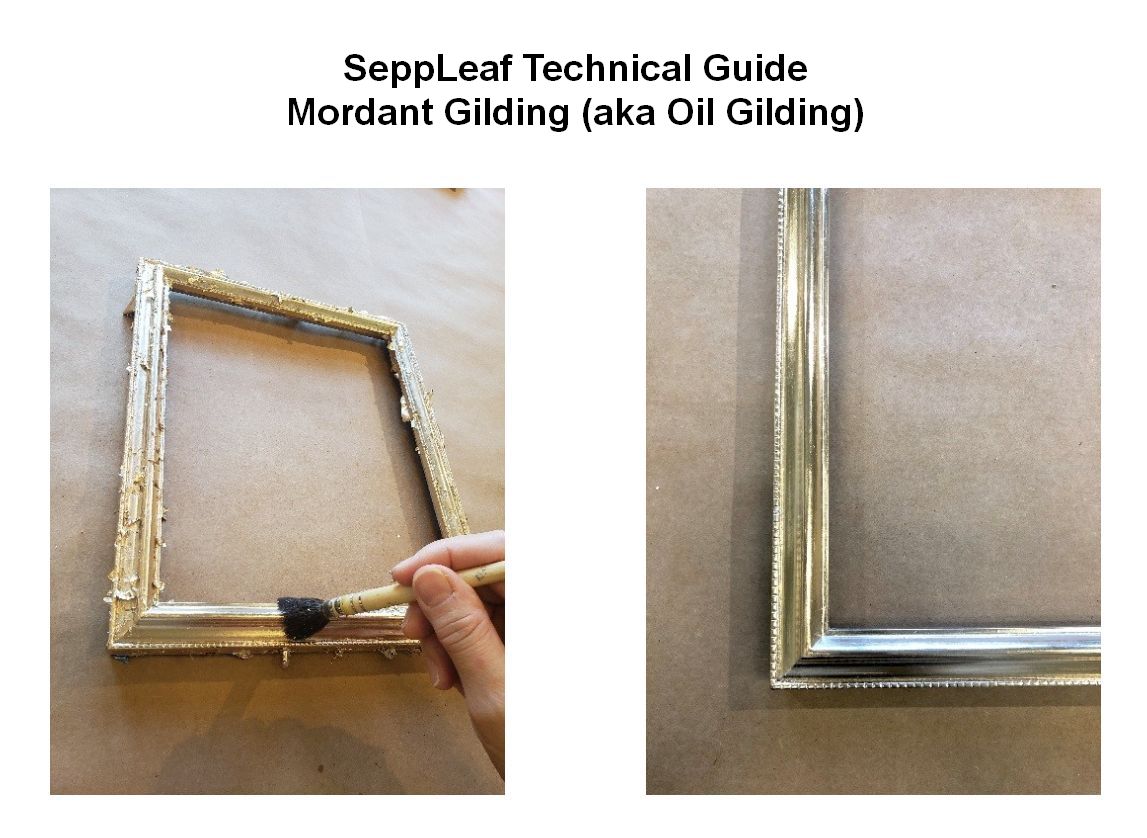
Prepare a clean, smooth, sealed surface; apply the correct gilding size or adhesive; wait until it reaches the proper tack; lay loose, patent, or ribbon leaf onto the surface; press it down gently; then remove excess leaf with a soft brush or cotton.
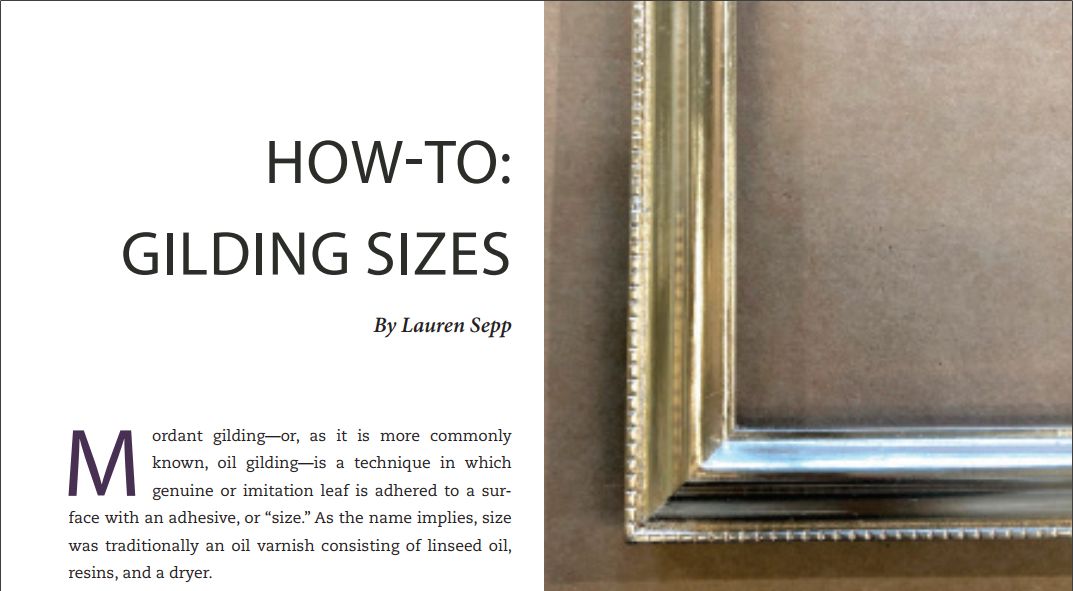
Water gilding is a traditional method used over prepared gesso and clay bole; it can be burnished to a brilliant mirror-like finish. Oil gilding uses an oil-based or water-based size and is often chosen for architectural, exterior, signage, and general decorative work where burnishing is not required.
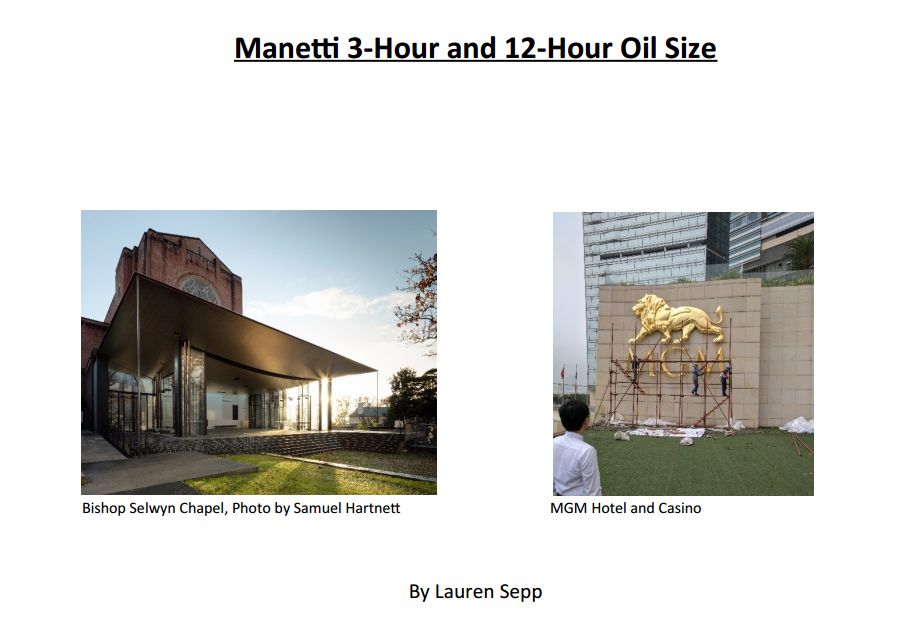
The right size depends on the surface, exposure, working time, and desired finish. Oil size is common for architectural and exterior gilding, water-based size can be useful for interior work, and specialty systems such as Instacoll may be selected for high-gloss exterior or interior gilding.
Gold leaf can be used outdoors when the substrate is properly prepared and the correct leaf, size, and protection strategy are selected. Genuine gold leaf is generally preferred for exterior gilding; product choice depends on surface, weather exposure, and project requirements.
Loose leaf is placed between book papers and lifted with a gilder’s tip, making it useful for traditional water gilding and detailed work. Patent leaf is lightly attached to backing paper and is easier to handle on flat or exterior surfaces because the sheet can be pressed onto the sized surface from the backing.
Exterior sign gilding usually calls for genuine gold leaf, careful surface preparation, and a size or gilding system selected for weather exposure and working conditions. Confirm the leaf, adhesive, and protection strategy for the sign substrate and location.
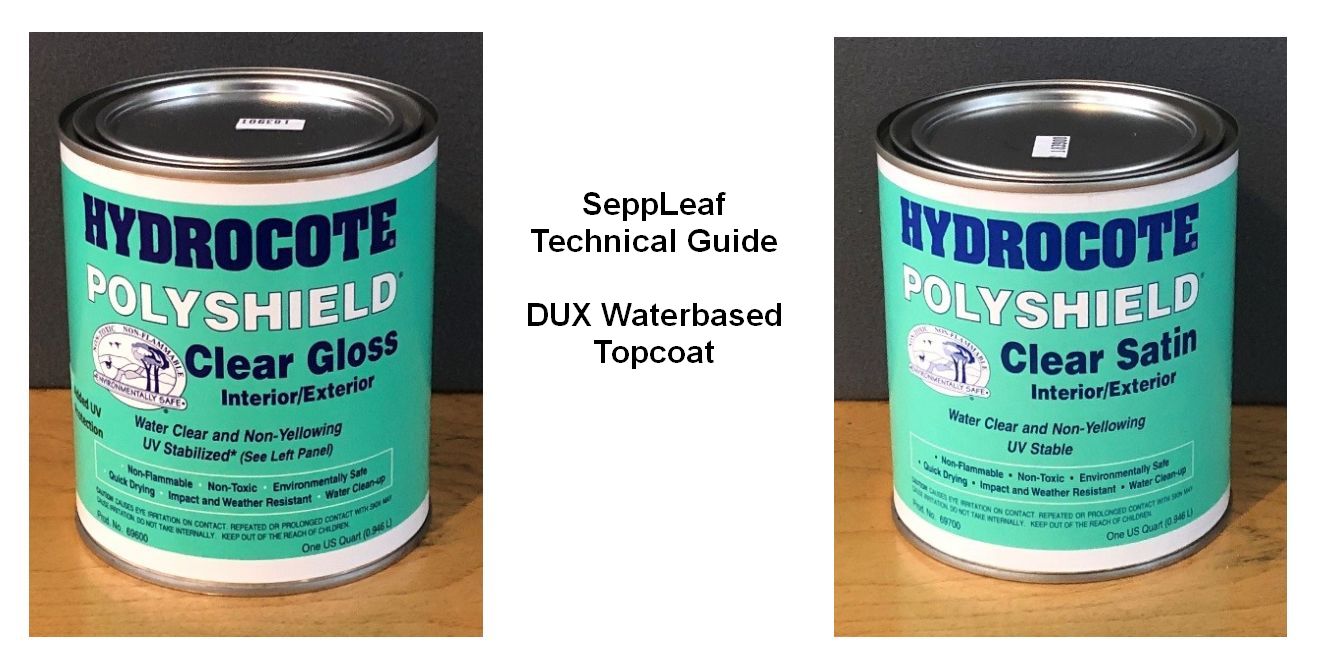
Imitation gold leaf is a composition metal and can tarnish, so many projects require a compatible sealer or topcoat. The right coating depends on the substrate, exposure, handling, sheen, and the look you want to preserve.
Gold leaf can be applied to many prepared surfaces, but wood, metal, and glass require different cleaning, sealing, priming, and size choices. The method depends on surface condition, exposure, and whether the finish is decorative, architectural, sign, or restoration work.
Patent leaf is often easier to handle than loose leaf because each sheet is held on backing paper and can be pressed onto the sized surface. Loose leaf is still preferred for many traditional and detailed applications.
Gold leaf is selected by karat, alloy color, format, and project requirements. Higher-karat genuine gold is commonly used where durability and tarnish resistance matter, while color charts help compare tone before ordering.
Coverage depends on leaf size, overlap, waste, and the shape of the object. A standard pack of 500 leaves covers a theoretical flat area, but ornate surfaces, repairs, and overlaps require extra leaf. Use SeppLeaf charts and confirm quantities for important jobs.
Whether to seal gold leaf depends on the metal, karat, surface, location, handling, and desired appearance. Genuine high-karat gold often does not need the same protection as imitation leaf or silver leaf, but exterior exposure, abrasion, and tarnish-prone metals may require a compatible coating.
Glass gilding depends on whether the work is viewed from the front or reverse side, whether it is decorative or sign work, and what exposure it will receive. Use a compatible size or specialty system and confirm the method for critical work.
Genuine gold leaf is made with gold alloy and is selected by karat, color, format, and use. Imitation gold leaf is a composition metal leaf used for decorative work and generally needs protection because it can tarnish.
Silver leaf and other tarnish-prone metals may need a compatible protective coating depending on handling, exposure, and appearance requirements. Product choice depends on the finish, surface, and environment.
Use products specifically sold for culinary or edible decoration when food contact is required. Do not assume ordinary gilding leaf, imitation leaf, or craft metal leaf is food-safe.
A beginner gilding setup usually includes leaf, the correct size or adhesive, a brush or gilder’s tip, a soft mop or finishing brush, surface preparation materials, and optional sealer or topcoat depending on the project.
|
|
 SeppLeaf Products provides an unparalleled array of genuine gold leaf, silver leaf, palladium leaf, and metal leaf; gilding tools and supplies.
SeppLeaf Products distributes Liberon premium finishes, Kolcaustico Venetian plaster, Mixol Universal Tints, and Gold Gourmet edible genuine gold and silver. SeppLeaf Products is a corporate member of the Society of Gilders.
|
New York, NY 10016Phone 212-683-2840sales@seppleaf.comContact UsAbout Us |
 Facebook
 Instagram
 Linked-In
 Pinterest
 TikTok
 YouTube